

Introduction
Influencer marketing has moved well past the era of simply paying a celebrity for one sponsored post and hoping for the best. Today it is a genuine strategic layer, often working alongside paid social media advertising to reach audiences that respond more to a trusted individual voice than to a brand speaking directly. Done well, influencer collaborations feel less like advertising and more like a recommendation from someone the audience already trusts.
Why Influencer Marketing Still Works in a Skeptical Market
Audiences have grown genuinely skeptical of traditional ads, but they still trust individual voices they already follow and relate to. A recommendation from a creator someone already watches regularly carries a kind of credibility a brand simply cannot manufacture on its own. This is exactly why a social media marketing company in Bangalore working across competitive categories increasingly recommends at least some influencer budget alongside standard paid campaigns.


Micro Versus Macro: Finding the Right Fit
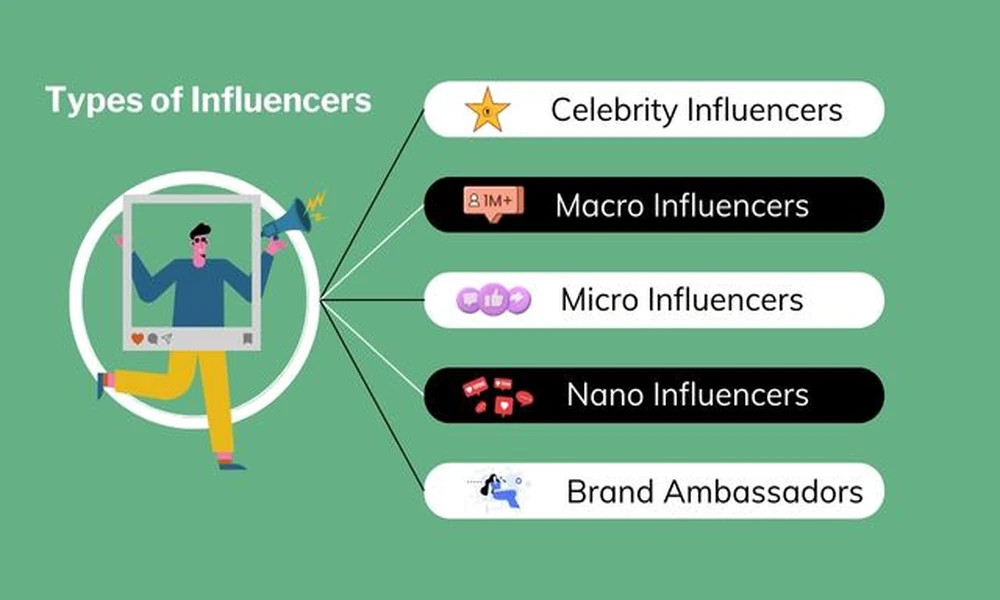
Bigger is not automatically better. Micro-influencers, typically with smaller but highly engaged, niche audiences, often deliver better conversion rates and lower cost per result than macro-influencers with huge but more generic followings. The right choice usually depends on the goal – broad awareness tends to favour larger creators, while genuinely qualified leads tend to favour smaller, more tightly-focused ones with real audience trust already built up.
Blending Influencer Content With Paid Reach
Some of the strongest results come from combining the two approaches directly – running a creator’s authentic content as a paid ad through the brand’s own account, sometimes called whitelisting or boosted content. This combines an influencer’s natural, trusted voice with the precise targeting of proper social media advertising services, often outperforming either organic influencer posts or standard brand-made ads used entirely on their own.
Measuring Whether a Collaboration Actually Worked
Follower count and reach are the easiest numbers to report, but they rarely reflect true campaign success. A capable digital advertising company will track actual conversions, unique promo code usage, or dedicated landing page traffic tied to a specific creator, rather than relying only on the influencer’s own self-reported engagement numbers, which can be inflated or simply misleading.
Conclusion
Influencer collaborations work best as one deliberate piece of a wider social media strategy, not a standalone tactic used in isolation. Businesses that choose creators carefully, track real results honestly, and blend organic influence with paid reach tend to get the most reliable and repeatable value from this kind of partnership.